Why a Gentle, Horse-Led Approach Matters
Horses are highly sensitive and perceptive animals. They communicate constantly through subtle changes in posture, muscle tone, breath, and behaviour. A gentle, horse-led approach respects this communication rather than working against it.
When bodywork is rushed or forceful, a horse may brace, resist, or shut down. While this can sometimes look like compliance, it doesn’t support genuine release or long-term comfort.
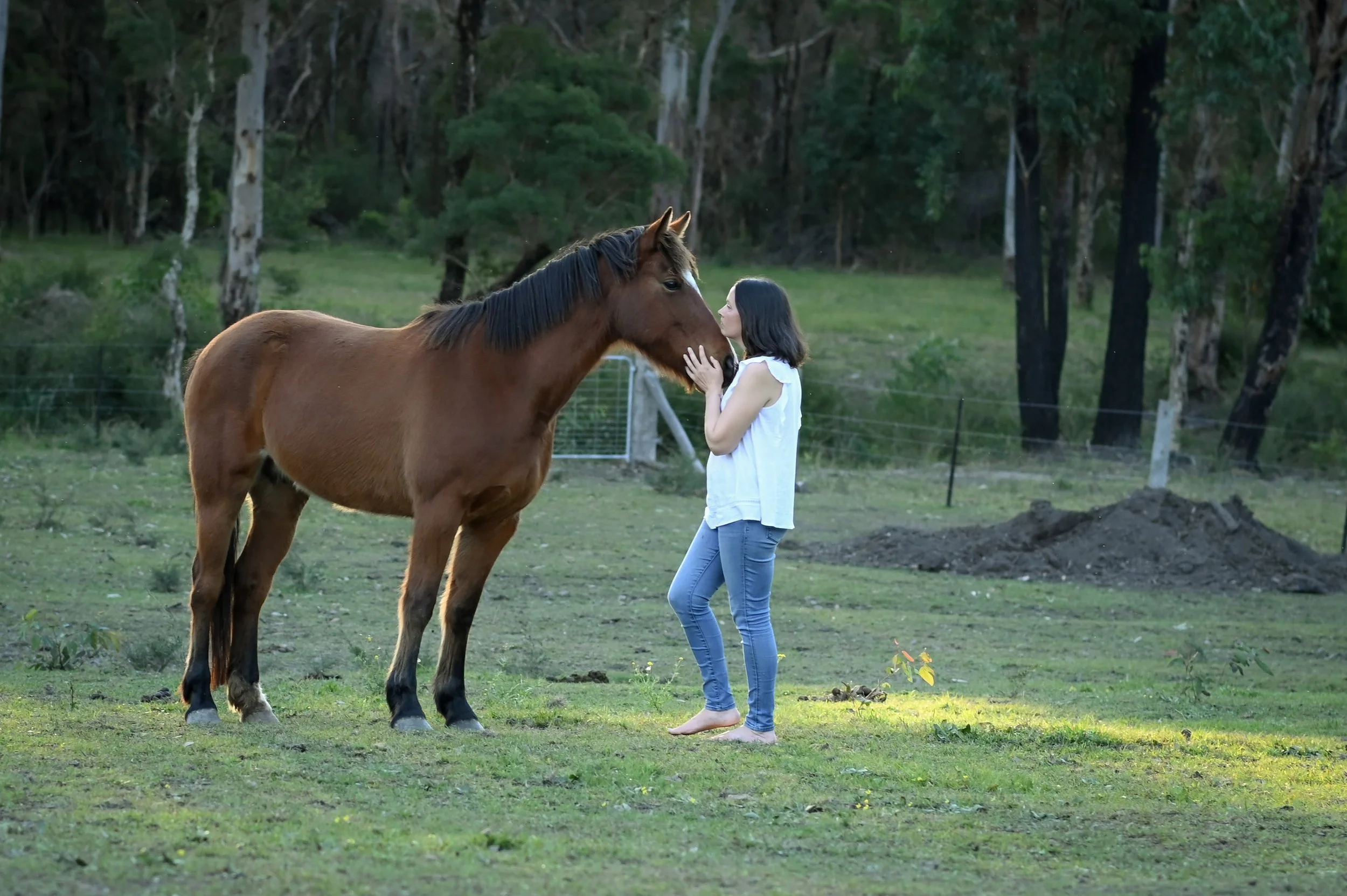
A horse-led approach allows the horse to feel safe, heard, and respected throughout the session.
What Horse-Led Bodywork Looks Like
Horse-led bodywork means adjusting every aspect of the session based on the horse’s responses. I pay close attention to signs such as:
Softening through the body
Changes in breathing
Shifts in posture or weight
Signs of tension, discomfort, or avoidance
If a horse becomes uncomfortable, I pause, change technique, or move to a different area. This approach builds trust and allows deeper, more meaningful release to occur over time.
Why Gentle Techniques Are Effective
Gentle does not mean ineffective. In fact, the nervous system responds best to calm, consistent input. When a horse feels safe, the body is more willing to let go of tension and find balance.
Gentle techniques help:
Reduce stress and defensiveness
Support the nervous system
Encourage natural movement patterns
Build positive associations with touch
True change often happens quietly. It may not look dramatic, but it tends to last longer and support the horse as a whole.
Building Trust Through Bodywork
Trust is essential in bodywork. When a horse trusts the process, they’re more likely to engage, relax, and benefit from the work.
My aim is always to create a calm, unhurried environment where the horse can respond honestly. Over time, this helps support not only physical comfort, but emotional wellbeing as well.