What Is Equine Bodywork and How Can It Help Your Horse?
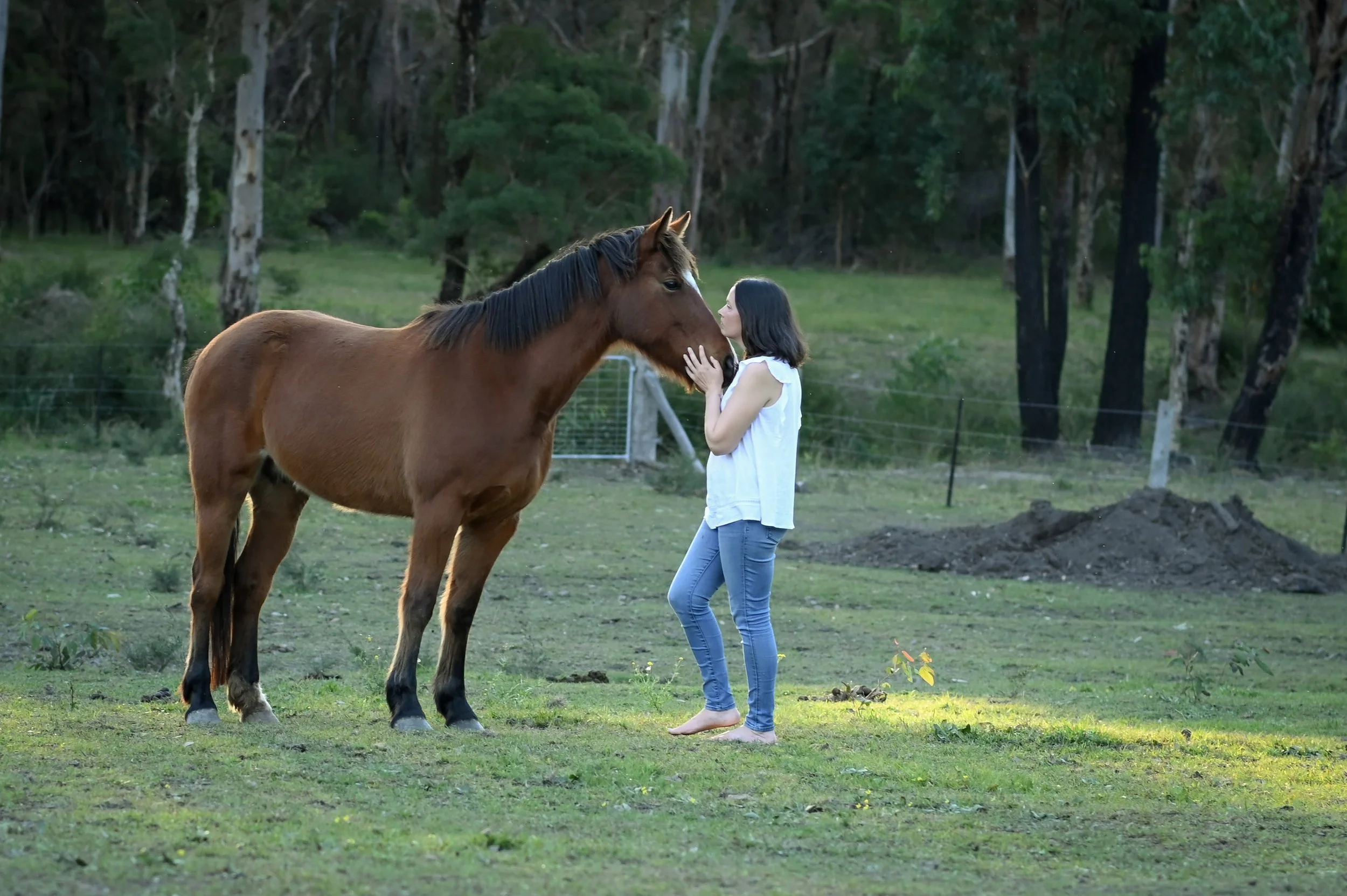
Equine bodywork is a gentle, hands-on approach that supports a horse’s physical comfort, movement, and overall wellbeing. It focuses on working with muscles, soft tissues, posture, and movement patterns rather than treating isolated symptoms.
Horses, like people, can develop tension and imbalance over time. This can come from training, workload, repetitive movement, age, stress, changes in routine, saddle fit, or previous injury. Often, these issues don’t show up as obvious lameness, but instead as stiffness, resistance, behavioural changes, or a general sense that something feels “off”.
Bodywork aims to support the horse’s body by identifying areas of tension or restriction and encouraging the body to release and rebalance in a natural, non-forceful way.
How Equine Bodywork Works
During a bodywork session, I observe how the horse stands and moves, paying attention to posture, balance, and muscle tone. This helps build a picture of how the horse is using their body and where they may be compensating.
I then use gentle soft tissue techniques, movement awareness, and light stretching to support relaxation and comfort. Everything I do is guided by how the horse responds. If a horse softens, relaxes, or shows signs of release, I allow that process to unfold rather than pushing for more.
Bodywork is not about “fixing” a horse. It’s about creating the right conditions for the body to respond, soften, and move with greater ease.
What Equine Bodywork Can Support
While every horse is different, bodywork may help support:
Muscle relaxation and reduced tension
Improved posture and balance
Smoother, more comfortable movement
Greater body awareness
Emotional calm and relaxation
Some horses show changes immediately, while others benefit more gradually over a series of sessions. Subtle improvements often continue after the session as the horse processes the work.
Bodywork and Veterinary Care
Equine bodywork does not replace veterinary diagnosis or treatment. Instead, it works alongside good management, training, and professional care.
I always work within my scope and am happy to support horses in collaboration with vets, farriers, physiotherapists, and trainers when appropriate. My priority is the horse’s long-term wellbeing, not quick fixes.